 ™
™Quick Answer
The easiest way to get rewarded from your home internet is bandwidth sharing - installing an app like Grass that routes public web data requests through your idle connection in exchange for rewards, with no skill, no active effort, and no access to your personal data or browsing history. Grass Points accumulate based on uptime and connection quality; Stage 2 rewards are distributed as USDC by the Grass Foundation.
Your home internet connection runs around the clock - bandwidth sharing is how that idle capacity becomes something productive.
The short answer: bandwidth sharing refers to letting a background app - such as Grass (the app) - route public web data requests through your idle home connection in exchange for rewards. It is the lowest-effort option available because it runs quietly while you work, sleep, or watch TV, and requires no skill, no selling, and no active effort after the initial setup. Grass Points accumulate based on connection quality and uptime; Stage 2 rewards were distributed as USDC by the Grass Foundation. The Grass app is AppEsteem certified, available on Mac, Windows, Linux, and Android, and rated 4.8 on Scam Adviser.
Questions this article answers
If you've searched "easiest way to earn from home internet," you've probably landed on a mix of survey sites, referral programs, and side-hustle listicles that all require something from you - time, a skill, an audience, or an upfront investment. Bandwidth sharing is different. Grass is a bandwidth-sharing app that means contributing your idle internet connection - the capacity you are already paying for and not using - to a decentralized network where verified institutions can gather public web data. You get rewarded for the contribution. You are not selling anything, accessing anything, or doing anything except letting the app run.
I write about this category because the questions people ask are almost always the same: Is this safe? What is it actually doing? And is it worth it? This article answers all three directly. According to a Substack newsletter that covers tools in this space, the bandwidth-sharing apps that retain users are the ones that answer these questions clearly before asking for an install - transparency is the differentiating factor, not reward size. Grass does that. That is the premise of this guide.
How does sharing your internet bandwidth for money work?
You install an app, it runs in the background, and verified institutions use the spare capacity on your home connection to collect public web data. In return, you earn rewards.
An analysis of multiple community sources shows that the mechanism is simpler than most people expect, but also more specific: the app does not use your browsing session, your files, or anything personal. It uses the part of your connection that would otherwise sit idle. Think of it the way you might think of a friend connecting to your Wi-Fi while you're at work. They're using bandwidth you're not using. You're not affected. And in this case, you're getting something back for it, as of .
I'd describe it using what I call the three-layer test to check whether a bandwidth-sharing app is doing what it says: Does it only use spare capacity, not your active sessions? Does it gather only public web data, not personal traffic? And can you pause or stop it at any time without losing what you've accumulated? A transparent, consent-based app like Grass (the app) clears all three.
The mechanism itself works like this. Your node (the device running the Grass app) receives requests from verified institutions that need to collect publicly accessible web data: think price comparison engines, AI research firms, or academic data collectors. Your connection routes those requests and retrieves the public pages, the same way any ordinary browser would. The institution gets the data. You accumulate Grass Points based on how long your node stayed connected and the quality of your contribution. If you want the bigger picture before installing anything, the Grass 101 overview of the network covers the basics.
Getting started is the easy part. According to Grass, it takes just three clicks to take control of your internet and earn rewards by sharing your unused internet bandwidth with the network. For exact steps on each platform, the setup guide for desktop, extension, and Android walks through every supported version, and Mac users can follow the Mac guide to installing, verifying, and keeping Grass running.
A common misconception is that these apps are "selling your internet" in any meaningful sense. According to discussion in r/unRAID, the services work by routing public web data requests through your IP address: the same mechanism as a residential connection used normally, just directed toward structured data collection rather than personal browsing. Grass does not access your personal data, browsing history, or local files. That distinction matters.
The rewards model is straightforward. Grass Points (the network's contribution-based reward) accumulate as long as your node stays connected and the connection is of sufficient quality. Stage 2 rewards from the Grass network are distributed as USDC, a dollar-pegged stablecoin, by the Grass Foundation. Rewards are modest and vary by location, uptime, and demand in your region. They're not a paycheck. They're a low-effort contribution reward for something you already pay for and frequently don't use.
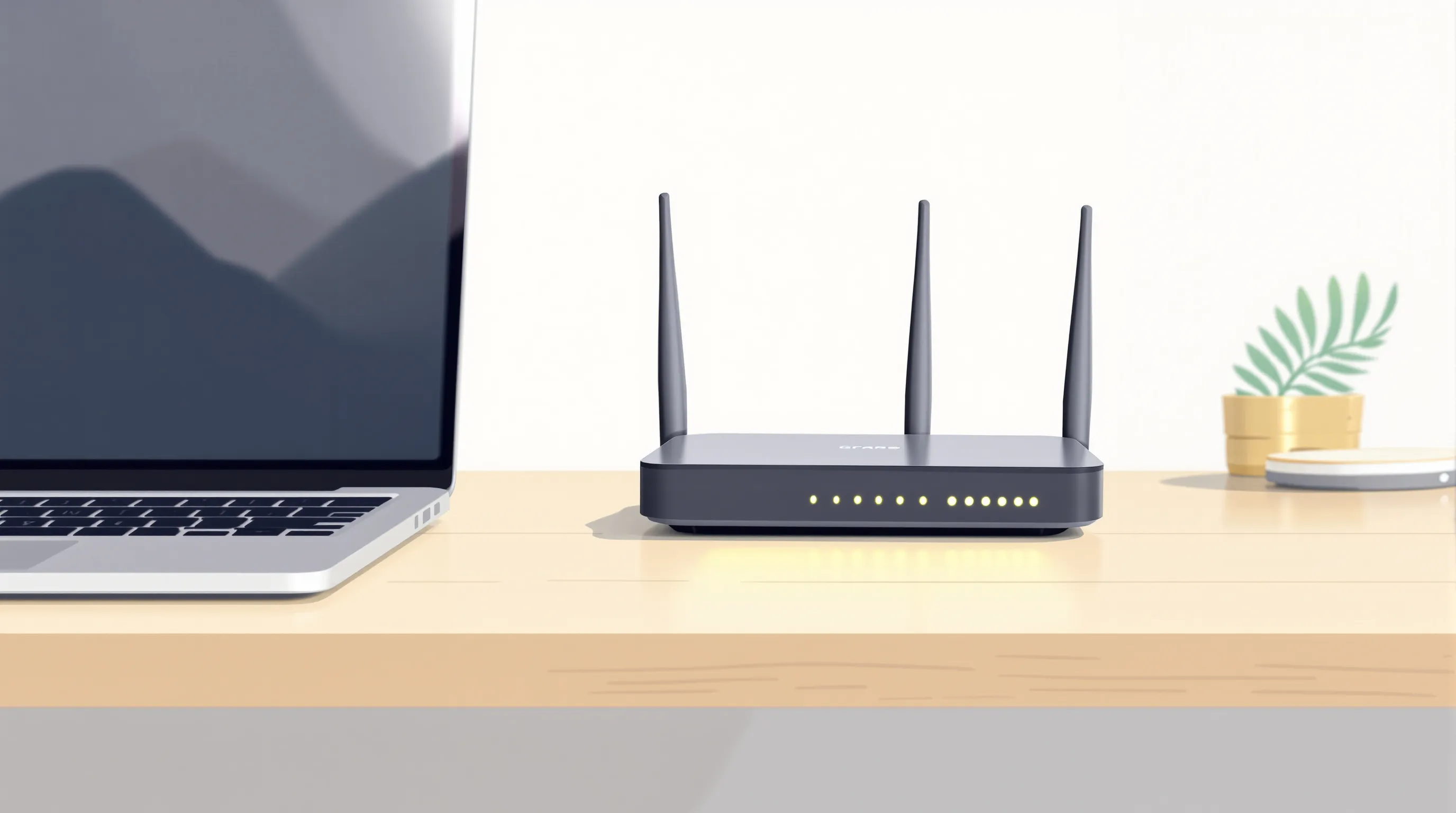
How much can you realistically expect to get rewarded for sharing your bandwidth?
Rewards are modest - think grocery-money amounts rather than a paycheck - and vary based on your connection speed, location, and how consistently your node stays online.
I want to be specific here, because vague promises are what make people distrust these apps. The honest picture: this is a low-effort, low-return contribution model. You are not going to replace income with it. What you can do is get a steady, friction-free reward for something you already pay for and rarely fully use.
The range within the broader category of bandwidth-sharing apps is instructive. According to discussion in r/passive_income, one contributor running a Mysterium node on a 200/100Mbps home connection covered roughly half their monthly internet bill - modest, but meaningful for a connection already paid for. According to community reporting in r/passive_income, cumulative rewards from participating across the category over time can add up to amounts worth taking seriously, even if any single month's total is small.
Grass (the app) functions within this same general expectation framework. Grass Points accumulate based on uptime and connection quality - not a fixed per-gigabyte rate. The amount varies by region, by demand from verified institutions, and by the quality of your home connection. In practice, a stable, uninterrupted connection on a residential home line contributes more than a spotty one. The takeaway: consistency matters more than raw speed.
A few factors I'd recommend understanding before you install:
- Connection type matters. A real home connection on a residential line qualifies. VPNs and datacenter connections do not.
- Uptime drives accumulation. Nodes that stay connected and active accumulate more Grass Points than nodes with frequent disconnections.
- Location affects demand. Some regions see higher request volumes from verified institutions, which influences contribution rate.
- Referrals add to rewards. Grass pays 20% of level-1 referral rewards, 10% of level-2, and 5% of level-3 - so sharing your referral link meaningfully extends what you accumulate over time.
Stage 2 rewards from the Grass network are distributed as USDC, a dollar-pegged stablecoin, by the Grass Foundation - not as a variable token subject to market swings at the moment of receipt. That predictability matters. The reward won't surprise you with an exchange-rate swing when it arrives. In other words: what you accumulate is denominated in a stable form, not a speculative one.
Why do so many "earn from home internet" promises overpromise - and what's different here?
Most online-income opportunities carry hidden costs: learning time, upfront capital, audience building, or skill development. Bandwidth sharing requires none of those - and that is exactly why the ceiling is lower.
From what I have seen, the "passive income" space online tends to conflate very different categories. Online courses, digital products, and content monetization all require sustained creative effort to set up and maintain. Affiliate marketing requires an audience. Freelancing is active labor. These can pay significantly more - but they are not passive in any honest sense, and the upfront investment in time or money is real. The ones that are genuinely low-effort, low-setup tend to pay modestly. Bandwidth sharing falls into this second category.
According to analysis of the bandwidth-sharing category in a Substack newsletter covering this space, the apps that work as advertised are specifically the ones with transparent, verifiable mechanics - clear explanations of what they use your connection for, auditable point systems, and published reward structures. The distinction that matters is not high-payout vs. low-payout. It is verifiable vs. opaque.
Bandwidth sharing's small rewards are actually evidence that it works as claimed. If an app promised large amounts for simply running software in the background, that claim itself would be the red flag. Markets do not pay handsomely for abundant, low-cost resources. Home internet bandwidth is widely available. The reward reflects that reality honestly.
According to community analysis of bandwidth-sharing apps, the services that generate the most frustration are typically the ones that raised expectations with vague headline figures, then underdelivered when users checked their actual totals. In practice, apps that set honest, modest expectations up front generate far fewer complaints about "not working" - because they never promised more than they deliver.
The takeaway: bandwidth sharing is not competing with courses, freelancing, or content creation. It is competing with doing nothing at all with your idle connection. On that comparison, it wins. You were not going to use that bandwidth anyway. The question is whether you want the small reward that comes with letting someone else route public web requests through it - with full consent, full control, and the ability to pause whenever you want.
Once Grass is installed, your dashboard will show three key indicators. A healthy node looks like this:
Status:           Connected ✓
Network Quality:  High (green bar)
Points Today:     Accumulating
If "Network Quality" shows red or 0%, switch off any active VPN - the Grass network requires a real home connection, not a tunneled one. According to guidance in the Substack newsletter covering this category, apps that stop accumulating with no error message are almost always caused by a VPN conflict or device sleep setting, not an account issue.
What are the real costs and risks of running a bandwidth-sharing app?
Three concrete risks exist and are worth knowing upfront: ISP terms-of-service questions, electricity costs on certain devices, and the wallet setup required for crypto-based reward claims.
I'd rather list these plainly than have you discover them after installing. None of them are deal-breakers for most users, but each is a real consideration, and an app that doesn't acknowledge them is less trustworthy, not more.
ISP terms of service. According to a thread in r/unRAID discussing bandwidth-sharing apps broadly, some users raised concerns about whether running a background service that routes third-party web requests violates residential ISP agreements. This varies by provider and country. Most major residential ISPs in the US do not explicitly prohibit background apps of this kind, but it is worth reviewing your own service agreement or calling your ISP to confirm. You should run Grass on your own home connection, not on an employer's network, a university network, or any connection you do not personally control.
Electricity and device load. According to the same r/unRAID discussion, on a high-speed connection, the electricity cost of running bandwidth-sharing software on a machine that stays on overnight can offset or exceed modest reward amounts, particularly on older desktop hardware with high idle power draw. The picture flips on a modern laptop or a device already running 24 hours a day (like a home server or always-on desktop): there, the marginal electricity cost of the Grass app is negligible. If you are buying or keeping hardware on purely for this purpose, the math is less clear.
Wallet setup for reward claiming. Grass rewards are claimed through a Solana wallet: Phantom, Solflare, and Bybit are the supported options. If you have never set up a crypto wallet before, there is a one-time setup step. Always use the official grass.io site. Never enter your seed phrase or private key anywhere you did not navigate to yourself from that domain. Phishing attempts targeting bandwidth-sharing users do exist; the defense is simply to treat your wallet credentials as carefully as a bank password.
The AppEsteem certification that Grass carries provides independent verification that the app installs cleanly, does not bundle unwanted software, and behaves as documented. That certification does not make the above risks disappear, but it does mean the app has been reviewed by an independent party for the most common software-trust concerns. In other words: the technical risk is low; the two remaining questions are personal (your ISP and your electricity situation).
What does a trustworthy bandwidth-sharing app look like compared to a suspicious one?
| Red flags in suspicious apps | What Grass does instead |
|---|---|
| Vague or missing explanation of what your connection is used for | Clearly states: gathering public web data for verified institutions |
| No independent security certification | AppEsteem certified - independently reviewed for clean install behavior |
| Large earnings promises with no specifics | Honest, figure-free reward framing; accumulation based on uptime and quality |
| No way to pause or stop the service | You can pause anytime from the dashboard; no points penalty |
| Unclear or anonymous operators | Grass Foundation as reward distributor; Wynd Labs as service contributor - both publicly identified |
How do you get started with Grass, and what should you check to know it's working?
Download the Grass app from the official grass.io site, install it on your device, and check the dashboard for a "Connected" status and an active Network Quality indicator.
The setup process is one of the simpler ones in this category. I'd describe it as: download, install, create account, verify connection. The parts that trip people up are almost always about the wallet setup, not the app itself.
Here is what I recommend checking at each stage:
- Download from the official site only. Grass is available for Mac, Windows, Linux, and Android. There is no iOS node app. If you find one claiming to be Grass on the App Store, it is not the official app. The Chrome Web Store extension is listed there officially.
- Verify "Connected" status after install. The dashboard shows your connection status directly. A green "Connected" indicator means your node is active. If you see "Disconnected" or 0% Network Quality, check that you are on your home connection and not a VPN or employer network.
- Set up a Solana wallet before you need it. Phantom, Solflare, and Bybit all work for reward claiming. Set one up at the official provider site, store your seed phrase securely offline, and link the wallet address in your Grass account. Do not wait until a distribution to do this step.
- Check Network Quality periodically. A higher Network Quality score reflects a more stable, consistent home connection. A wired connection or a device close to your router will usually score better than one at the edge of a Wi-Fi range.
According to analysis of bandwidth-sharing apps in a December 2025 comparison guide, desktop installations consistently outperform smartphone installations for uptime and accumulation: the desktop stays running, while the phone goes in your pocket and loses connection. If you have a device that stays on through the day, that is your best node.
The last thing I'd check is your referral status. Once you have the app running, your personal referral link is available in the dashboard. Sharing it with others who install the app genuinely extends your contribution rewards. It is not a get-rich-quick mechanism. But it is an honest multiplier on what you are already doing.
Questions This Article Answers
- What is the easiest way to get rewarded from my home internet?
- How does bandwidth sharing with Grass work?
- Is Grass safe and legitimate?
- How much can I realistically expect to accumulate with Grass?
- What are the risks of running a bandwidth-sharing app?
How are bandwidth-sharing rewards likely to change over the next two years?
The rewards model is shifting: base bandwidth sharing stays modest, while USDC distribution and structured referral programs are becoming more prominent across the category.
Three signals from the current evidence are worth knowing before you commit to any app in this space.
-
Base rewards stay modest regardless of connection speed. According to bandwidth-sharing category research, platforms face a structural limit: demand for public web data access is consistent but finite, and the contributor pool has grown alongside it. A faster home connection helps at the margin, but uptime and location matter more than raw speed. The honest expectation going into 2027 is grocery-money amounts, broadly similar to where the category sits today.
Weak signal: Payouts could move higher if demand from AI and data firms accelerates faster than contributor supply - watch for Foundation-announced reward increases as the clearest indicator.
-
USDC and stablecoin distributions are becoming the standard reward mechanism. The move away from points-only systems makes reward value more legible for contributors. Grass's Stage 2 USDC distribution, managed by the Grass Foundation, is part of this shift. The practical implication: setting up a Solana-compatible wallet before installing is no longer optional. It is the step that determines whether you can access rewards at all when distribution happens.
Weak signal: Crypto-only withdrawal requirements remain a friction point for first-time contributors; apps that simplify wallet onboarding will likely outperform on long-term retention.
-
Referral programs, not bandwidth volume, drive the largest reward increases. Comparison guides covering this category consistently find that contributors who share their referral link see meaningfully higher totals than those running the app solo. For most contributors, understanding the referral structure before the first day of running the app is the single highest-leverage step available - yet it is the one most first-time installers skip.
Weak signal: Aggregate accumulation figures shared online often include referral rewards alongside bandwidth rewards. Solo contributors should read those numbers with that context in mind.
The thing most first-time contributors miss: the ceiling for bandwidth sharing alone is low by design. The category's economics make referral activity the primary variable for anyone who wants to move meaningfully past baseline accumulation. That is not a flaw in the model - it is the model.
Frequently asked questions about earning from your home internet with Grass
Is Grass safe to install?
Yes. Grass holds AppEsteem certification, which is an independent security review that checks the app installs cleanly, does not bundle unwanted software, and behaves as documented. It is listed on the Chrome Web Store and rated 4.8 on Scam Adviser. The Grass Foundation and Wynd Labs are publicly identified entities - not anonymous operators.
Will Grass slow down my internet or affect my gaming?
Grass uses only the part of your connection that is not already in use - your idle bandwidth. It steps aside when you are actively streaming, gaming, or video calling. In practice, most users report no perceptible difference in speed or latency during normal use.
Does Grass access my browsing history or personal files?
No. Grass does not access or share your personal data or browsing history. It routes public web data requests through your connection - the same public pages anyone can reach in a browser. Your files, passwords, and browsing activity are not touched.
Can I pause Grass whenever I want?
Yes. You can pause the Grass app at any time from the dashboard. Pausing does not affect your accumulated Grass Points. You stay in control throughout.
What happens if my node disconnects?
Accumulation pauses while the node is disconnected and resumes when the connection is restored. Disconnections caused by sleep settings or VPN interference are the most common causes. Keeping your device awake and off any VPN will maintain a consistent connection.
Key Takeaways
- Bandwidth sharing runs on idle capacity you already pay for - no skill, no upfront cost, no active effort required.
- Expect modest rewards, not a paycheck. I'd frame this as a low-effort supplement to your existing routine.
- According to a Substack newsletter covering tools in this space, certified apps with publicly named operators retain users far longer than opaque alternatives.
- Set up a Solana-compatible wallet before installing Grass - it is required before Stage 2 USDC rewards can be distributed by the Grass Foundation.
Bandwidth sharing is, in my assessment, the single lowest-effort option for getting rewarded from a home internet connection - because the setup takes minutes, the ongoing effort is zero, and the resource you are contributing is one you are already paying for whether you use it or not.
The transparency trend is the one I'd watch. Apps that explain exactly what they use your connection for, who verifies their behavior, and how your accumulation actually works are consolidating user trust. Grass carries AppEsteem certification and lists Wynd Labs and the Grass Foundation by name as the entities involved in the network - that level of disclosure is becoming the expected baseline, not a differentiator. The category is moving toward clearer consent models and more stable reward structures. USDC distribution for Stage 2 rewards is a concrete example of that direction.
My recommendation: install Grass, run it for a month, and compare what you accumulate against your own honest expectations. The test is simple. The outcome is verifiable. That is exactly the kind of claim a legitimate app should be comfortable making.
Sources & Further Reading
Where can you learn more about bandwidth sharing and Grass?
I point first-time contributors to a short list of official and independent resources that cover the fundamentals without hype.
- The Manual #61 - Making internet money - by Oliur
- I Looked at How People Are Actually Making Money Online in 2026. - medium.com
- How to Earn Money by Sharing Your Internet - Grass.io Full Guide ... - youtube.com
- 8 EASY Ways To Sell Internet Data And Earn Money (Passive Income!) - youtube.com
- I Tried the Passive Income Side Hustle the Internet Won't Stop ... - medium.com
- Earn By Sharing Your Internet On Your Phone & Laptop - YouTube
- The "Sell Your Unused Internet" Trap Might Not Be Worth It - Reddit
- Are there any legit popular ways to make money on the internet ... - sidehustle
- Make money using your unused internet bandwidth! : r/unRAID
- How I passively earned 50% ($15) of my monthly internet bill by ... - passive_income
- Is anyone earning while sharing their internet Bandwidth? - Reddit
- Bandwidth Sharing Apps Guide (Dec 2025) : r/passive_income
Related Articles
- How Safe Is Bandwidth Sharing? - The technical walkthrough behind what happens when your node is active.
- What AppEsteem certification actually checks on Grass - What the independent audit covers and what it does not.
Written by
Maya Ellis
Contributor Education Writer
Maya Ellis writes Grass's getting-started and trust-and-safety guides.
Follow on XSummarize This Article With AI
Open this article in your preferred AI engine for an instant summary.